
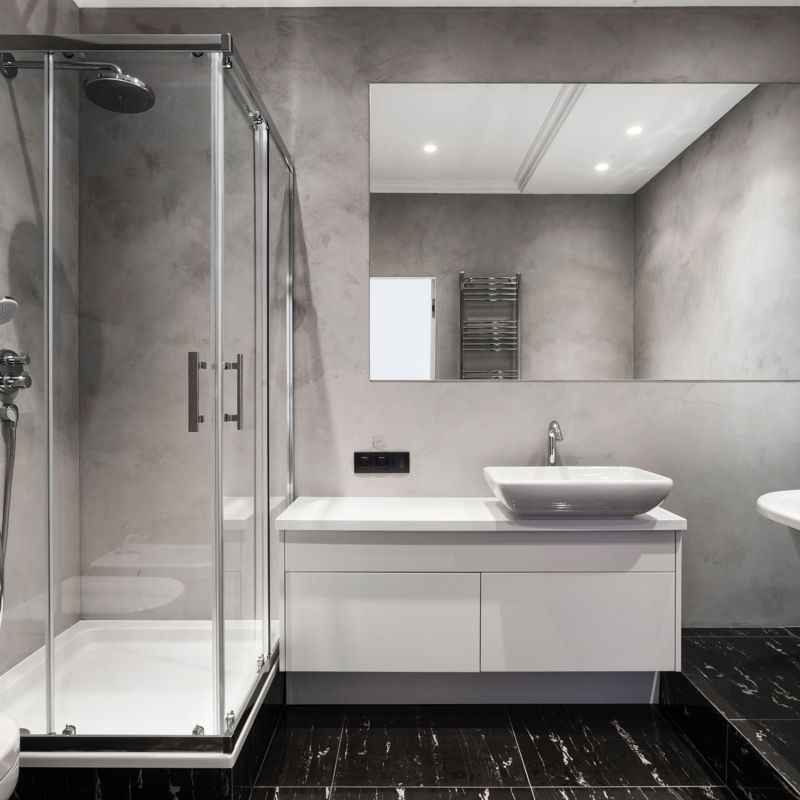
A toilet that runs between flushes, a faucet that leaves puddles around its base, or a shower that never feels quite right can make a bathroom frustrating every day. The best bathroom plumbing upgrades is not automatically the newest or most expensive fixture. It is the one that fixes a recurring problem, makes the room more comfortable to use, and fits the plumbing already behind the wall.
For most homes, the sensible order is to correct leaks and poor function before considering extras. Water-saving fixtures, easier controls, and changes that improve access can follow once the room works reliably. Luxury features remain optional, and no fixture can guarantee a future resale return.
Quick Answer: Start with the Problem You Notice Every Day
Prioritize repair or replacement when a fixture leaks, is unreliable, wastes water, is difficult to clean, or no longer works safely for the people using it. A like-for-like replacement usually offers the clearest value because it preserves the existing supply and drain locations. Moving a toilet, opening a tiled shower wall, or adding a powered smart fixture can multiply the scope.
Before shopping, identify what actually causes trouble. A useful plan might combine one replacement, one repair, and one feature that you deliberately skip. That puts the budget toward changes the household will notice.
Compare Bathroom Plumbing Upgrades by Usefulness and Scope
A WaterSense toilet offers high daily usefulness and strong water-saving potential when it replaces an older or leaking unit. Installation can be straightforward when the flange, shutoff, drain location, and floor are sound. Consider replacement for a toilet that runs, clogs often, rocks, or uses much more water than a current model, but choose a minor repair when it can restore a sound fixture.
A low-flow showerhead can improve spray and reduce flow without rebuilding the shower. First rule out a clogged cartridge, failing valve, pipe restriction, or low house pressure. A showerhead-only change is limited in scope, while a concealed valve or multi-outlet system is not.
A faucet replacement can be useful when the current fixture leaks, corrodes, is difficult to operate, or no longer suits the user. A new aerator or cartridge may achieve the desired result for less when the rest remains reliable.
A shower valve or trim upgrade can help when temperature controls are worn, unreliable, or difficult to use. Water savings depend on the fixture package, and installation may require wall access. Confirm valve compatibility before choosing trim.
Accessibility-focused fixtures can have high value for the intended user. Scope ranges from lever handles to support bars with planned wall reinforcement. Test reach, grip, balance, transfers, and cleaning needs because a change that helps one person can hinder another.
Luxury or powered fixtures are worth considering only when they address a comfort or hygiene need. Confirm plumbing, electrical power, parts, maintenance, and service access. Delay them when features are driving the decision more than a practical need.
Replace a Problem Toilet Before Chasing Extras
A toilet earns priority because it is used often and can waste water quietly. EPA says toilets account for nearly 30% of an average home’s indoor water use. WaterSense-labeled toilets use 1.28 gallons per flush or less, which is 20% less than the federal standard of 1.6 gallons per flush, and they must meet EPA efficiency and performance criteria.
That makes a WaterSense toilet a practical candidate when the existing unit is old, leaking, damaged, uncomfortable, or repeatedly unreliable. It does not mean every running toilet needs replacement. A worn flapper, fill valve, or supply connection may be repairable, and keeping the fixture can be the smarter purchase if the porcelain is intact, the toilet sits firmly, and a modest repair restores dependable flushing.
Confirm the rough-in distance, bowl shape, seat height, clearances, shutoff condition, and floor condition around the base before ordering. A rocking toilet may need flange or floor work before replacement, which changes the scope and cost. A new toilet should not simply cover a problem below the old one.
For help deciding between repair and replacement, review Dave Passey Plumbing’s toilet repair and installation service.
When to Skip Premium Toilet Features
Skip premium electronics that do not solve a real need. For heated seats, washing functions, or automatic features, confirm power, cleaning access, replacement parts, and operation during an outage. Do not add a receptacle or modify bathroom wiring yourself; use a qualified electrical professional.
Choose a Low-Flow Showerhead Before Rebuilding the Shower
A showerhead swap is often the lowest-disruption way to improve spray and reduce flow. EPA reports that standard showerheads use 2.5 gallons per minute, while a WaterSense-labeled low-flow showerhead uses no more than 2.0 gallons per minute. Labeled models must also meet criteria for spray force, spray coverage, and performance across household water pressures.
This upgrade can help when the current showerhead sprays unevenly or flows more than you want. Weak flow can instead come from buildup, a clogged cartridge, a partly closed valve, a restriction, or low house pressure. Diagnosing the cause first avoids buying a new head that cannot solve the underlying problem.
A handheld showerhead can help with rinsing, seated use, and cleaning. Check the hose reach, cradle position, and path of movement before choosing one. Controls should be reachable without leaning or making an awkward stretch.
When a Showerhead Is Not Enough
Do not buy an elaborate shower system until a plumber confirms available pressure, hot-water capacity, valve compatibility, and pipe layout. Multiple outlets can change demand and installation scope. If the plan requires opening tile, relocating supply lines, or replacing a concealed valve, the job is no longer a simple showerhead project.
Do not perform concealed piping work yourself. A connection that appears dry before the wall closes can leak later and damage finishes or framing. Plan access, testing, waterproofing, and finish repair before work begins.
Make Faucet Replacement About Hands, Not Just Finish
A bathroom faucet is touched throughout the day, so handle feel and reach matter more than a fashionable finish. EPA says WaterSense-labeled bathroom sink faucets and accessories have a maximum flow of 1.5 gallons per minute. That reduces flow by 30% or more from the standard 2.2 gallons per minute while meeting performance criteria.
Before replacing a faucet, check the sink’s hole count and spacing, deck thickness, drain assembly, shutoff valves, supply lines, backsplash clearance, and space below the basin. Matching the existing configuration usually keeps the job simpler. Changing from a centerset faucet to a widespread or wall-mounted design can require a different sink, countertop work, or concealed piping.
Lever handles are often easier to operate than small knobs for people with limited grip. Comfortable reach may reduce splashing and the need to lean over the sink. If the current faucet works well but uses more water than desired, a WaterSense-labeled aerator may provide the benefit without replacing the entire fixture.
Dave Passey Plumbing’s fixture services page covers faucets, sinks, showers, tubs, and other plumbing fixtures.
When a Faucet Change Can Wait
Skip a finish-only faucet change when the current fixture is reliable and the money would be better spent correcting a leak, failing shutoff, damaged drain, or moisture under the cabinet. Pause when corrosion makes valves or connections questionable. Those conditions can turn what looks like a cosmetic swap into a broader repair.
Improve Accessibility with the Intended User
Accessibility upgrades are valuable when they reduce strain or make personal care safer and more independent. Options can include lever handles, a handheld showerhead, a seat, better control placement, a toilet height suited to the user, and properly planned support bars. The right combination depends on the person and the room rather than on a generic accessibility label.
Have the intended user test reach, grip, sitting height, transfer space, and control direction. A taller toilet may help one person stand but leave another person’s feet dangling. Support bars need appropriate locations, fasteners, and wall structure.
If walls are already open during a remodel, discuss reinforcement and future access before they are closed. Never treat a towel bar as structural support. When a project must meet a specific accessibility standard, have the design reviewed against the requirements that apply to that property and scope.
Fix Leaks Before Paying for Visible Upgrades
A new fixture should not hide a leak. Inspect the toilet base, vanity, connections, tub or shower, and ceiling below for stains, swelling, soft flooring, musty odors, or meter movement while fixtures are off. Evidence around the visible fixture may point to a problem somewhere else in the assembly.
Water can travel before it becomes visible. Moisture near a shower could involve a supply, drain, valve, enclosure, sealant, or waterproofing assembly. Diagnose the source before demolition or ordering so the chosen work addresses the actual failure.
Routine checks can catch worn connections and small leaks before they affect cabinetry or finishes. Dave Passey Plumbing provides information about plumbing maintenance and water treatment for homeowners evaluating fixture condition and water-quality concerns.
What Should You Budget?
Use published figures as planning bands, not promises. Homewyse’s May 2026 national estimates put a basic bathroom faucet installation at $463–$673, toilet installation at $635–$1,151, and shower faucet installation at $639–$1,020. These examples assume basic, mid-range work in serviceable conditions, and actual costs vary.
A showerhead-only change is not the same scope as a shower faucet or concealed valve replacement, so do not apply the shower-faucet range to a simple head swap. A like-for-like toilet replacement also differs from repairing a flange, replacing damaged flooring, moving a drain, or adding power for a smart fixture. Access and repair conditions often explain why two projects with similar fixtures have different totals.
For South Jordan planning, request a local quote after a site review. Ask whether the scope includes the fixture, labor, removal, supplies, shutoff or drain work, access, applicable permits, and finish repair. Compare scopes rather than totals alone.
Measure ROI in Daily Usefulness
Bathroom upgrades do not come with guaranteed resale returns. Begin the ROI decision by asking how often the household will use the change because frequent ease matters more than decoration.
Next, consider whether the project stops a loss or recurring hassle. Leaks and unreliable function belong ahead of visual updates. WaterSense fixtures can reduce water or heated-water use while meeting EPA efficiency and performance criteria.
Care and access matter as well. Think about reach, grip, cleaning effort, replacement parts, and service access instead of evaluating the fixture only when it is new. Favoring existing fixture locations can also preserve finishes and budget by avoiding unnecessary construction.
The best project may be a WaterSense toilet and a new aerator rather than a full remodel. It may be a repair paired with better access. Spend first where the household will notice an improvement every day.
When to Escalate from Shopping to Professional Diagnosis
Stop comparing products and call a plumber when you find active leaking, a rocking toilet, soft or stained flooring, repeated clogs, sewer odor, unreliable hot and cold control, corrosion at shutoffs, water appearing through a ceiling, or a fixture that cannot be isolated with its shutoff valve. These conditions need diagnosis before cosmetic decisions. Continuing to use a leaking or unstable fixture can increase damage.
Professional planning is also appropriate when the project involves concealed piping, a shower valve behind tile, a moved drain or supply, a wall-hung fixture, uncertain venting, or several fixtures changing at once. Electrical work for powered toilets, bidet seats, lighting, or controls belongs with a qualified electrical professional. Do not open walls and improvise either concealed plumbing or bathroom electrical work.
A South Jordan plumber can inspect current connections, identify added scope, and help separate necessary work from optional features before you order. To discuss bathroom fixture installation with Dave Passey Plumbing, use the contact page or call (801) 254-3658.
Frequently Asked Questions
Which Bathroom Upgrade Should I Do First?
Fix active leaks, unsafe conditions, and unreliable fixtures first. Next, prioritize the item that creates the most frequent inconvenience. Preserve existing plumbing locations where possible, then consider water-saving or comfort features.
Is a WaterSense Toilet Worth It?
It often is when replacing an older, inefficient, leaking, damaged, or unreliable toilet. WaterSense-labeled toilets use 1.28 gallons per flush or less and must meet EPA efficiency and performance criteria. If an inexpensive internal repair restores a sound toilet, replacement may not be necessary yet.
Will a Low-Flow Showerhead Feel Weak?
Not necessarily. WaterSense-labeled showerheads use no more than 2.0 gallons per minute and must meet performance criteria for spray force and coverage. If the shower is already weak, diagnose pressure, valve, cartridge, and buildup issues before blaming the showerhead.
Can I Replace Only the Bathroom Faucet?
Often, yes, when the new faucet matches the sink configuration and the shutoffs, supplies, drain, and surrounding surfaces are serviceable. Corroded valves, mismatched hole spacing, or a different mounting style can expand the scope. Check those details before purchasing the faucet.
Should I Choose a Taller Toilet for Accessibility?
Choose the height for the intended user, not the label alone. Test sitting posture, foot support, standing effort, and transfer needs. What helps one household member may be uncomfortable for another.
When Does a Fixture Upgrade Require Opening the Wall?
A showerhead or compatible trim change may not require wall access. A concealed valve replacement, moved supply, wall-mounted faucet, or relocated fixture often does. Confirm compatibility and access before buying finishes.
Can a Plumber Handle the Electrical Part of a Smart Fixture?
Do not assume so. Plumbing and electrical connections are different scopes. Have a qualified electrical professional handle required receptacles, circuits, or bathroom electrical modifications, and coordinate that work with the fixture installation.
Plan the Upgrade Around Your Bathroom
The right bathroom plumbing upgrades solve specific problems without adding construction you do not need. Start with leaks and reliability, compare WaterSense options, test accessibility features with the person who will use them, and get a site-specific quote before committing to concealed or powered fixtures.
Dave Passey Plumbing is located at 9511 S 1930 West, South Jordan, UT 84095. Call (801) 254-3658 or contact Dave Passey Plumbing online to discuss a practical bathroom upgrade plan.